

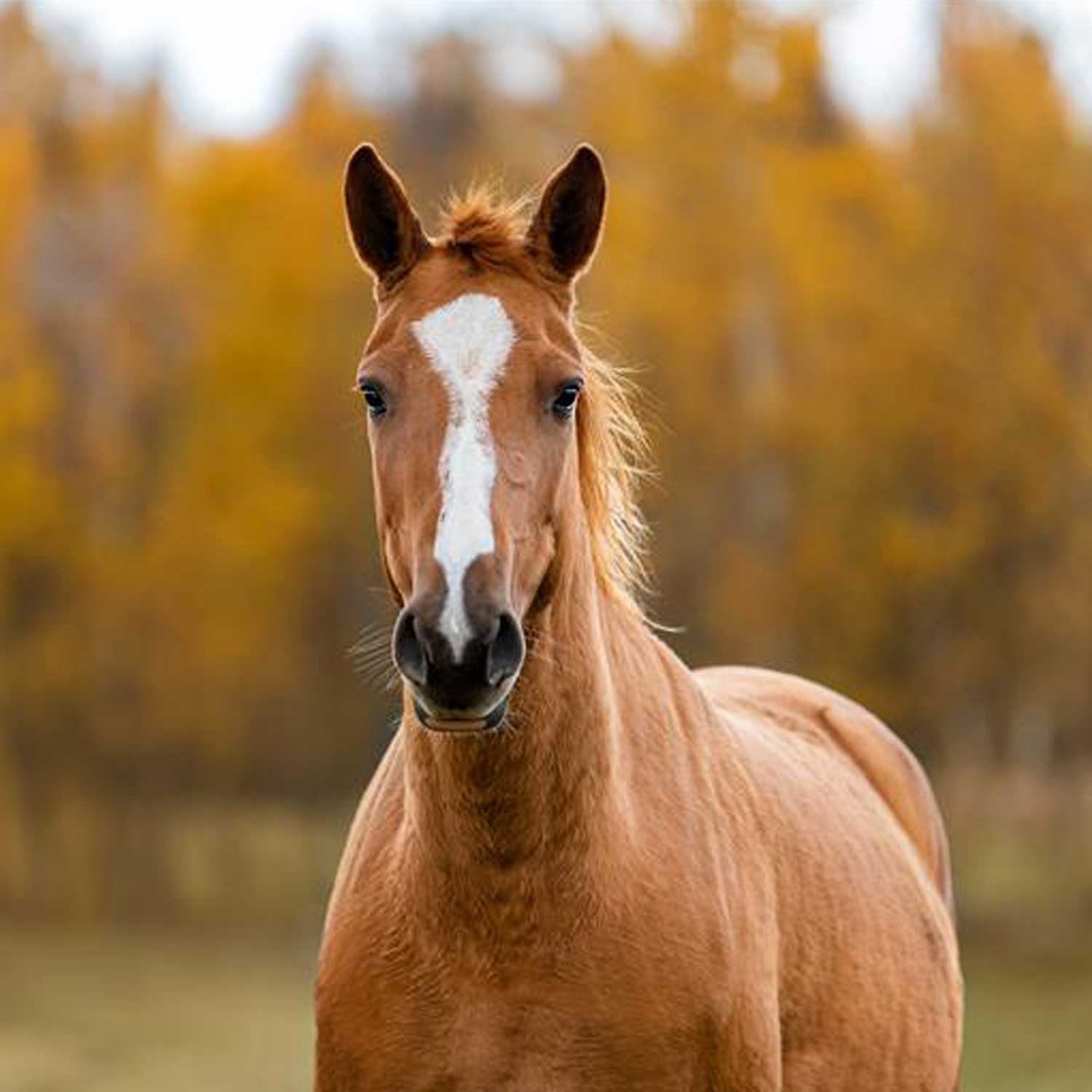
New World Screwworms (NWS) are a serious and potentially deadly threat to horses and other livestock. While this condition is relatively rare in the United States, thanks to aggressive eradication programs, outbreaks can still occur, especially in areas with warm climates and increased animal travel. At Signature Equine Hospital, we prioritize education and prevention when it comes to diseases in horses, including the threat of screwworm infestations. Here’s what every horse owner needs to know.
What is NWS?
New World Screwworms (NWS) are the larvae of a fly species known as Cochliomyia hominivorax. Unlike other fly larvae that feed on dead tissue, NWS larvae are dangerous because they feed on living tissue. Once eggs are laid in an open wound or mucous membrane, the hatched larvae burrow into the flesh, causing severe tissue damage and leaving the horse vulnerable to infection and even death if left untreated.
These parasites are considered a reportable disease, meaning any suspected case must be immediately reported to state or federal animal health officials. Outbreaks have devastating effects on animal populations and require swift action and expert intervention.
How Do Horses Get It?
Horses usually contract screwworms when female flies lay eggs in open wounds, surgical sites, or natural body openings. Any cut, scrape, dehorning site, or branding wound could become a target. These flies are particularly drawn to fresh wounds or moist areas such as the nose, eyes, and reproductive organs.
Once eggs hatch, the larvae begin feeding on the horse’s tissue within hours. It’s especially important to monitor wounds during warm seasons when fly populations are more active. Horses that travel across borders or live in areas with known outbreaks face a higher risk and should be monitored closely by an equine veterinarian.
Screwworm Symptoms: What to Look For
Early identification is key to successful treatment. The most common screwworm symptoms in horses include:
- Wounds that look worse over time rather than healing
- Foul-smelling discharge from the wound
- Visible larvae or maggots in the wound
- Restlessness or signs of pain in affected areas
- Swelling, tissue discoloration, or necrosis around the wound
As the larvae feed, the wound may rapidly enlarge, and the horse’s overall condition may deteriorate quickly. Screwworms can mimic other diseases in horses, like summer sores, which is why expert evaluation from an equine veterinarian is essential.
How to Prevent Screwworm Infestations
Prevention is the most effective way to protect your horse. Here are several key steps you can take:
- Wound management: Clean and treat any cut, abrasion, or surgical site frequently.
- Fly control: Use repellents, fly sheets, and maintain clean stalls and pastures to reduce fly populations.
- Routine checks: Inspect your horse daily, especially during peak fly season, and examine wounds closely.
- Travel protocols: If traveling to areas where NWS is a concern, consult your vet about protective measures and keep up with vaccination and health certifications.
If your horse is exposed to areas with known NWS presence, work with a clinic like Signature Equine Hospital, which provides emergency equine services and is equipped to monitor for signs of infestation.
How to Treat Screwworms in Horses
If you suspect a screwworm infestation, do not delay treatment. Immediate veterinary care is required. Treatment typically includes:
- Mechanical removal of the larvae by a Veterinarian
- Thorough cleaning and debridement of the wound
- Administration of antibiotics to prevent secondary infections
- Use of topical insecticides or larvicides
- Supportive care, including pain management
Veterinary facilities, such as ours, are prepared to handle these critical situations with specialized care and attention. In severe cases, hospitalization may be required to ensure continuous monitoring and recovery.
Protect Your Horse from Screwworms
Screwworms may be rare, but they’re a reminder of how quickly even small wounds can turn into life-threatening problems for horses. Understanding how to prevent, identify, and treat NWS is a critical part of responsible horse ownership. At Signature Equine Hospital, our team of experienced veterinarians offers routine care, wound management, and emergency equine services to keep your horses safe from harmful parasites and other diseases in horses.
If you notice screwworm symptoms or have questions about protecting your horses from NWS, contact us today. Your horse’s health is our highest priority.
Contact Signature Equine Hospital or schedule an appointment online to consult with a trusted horse veterinarian.