

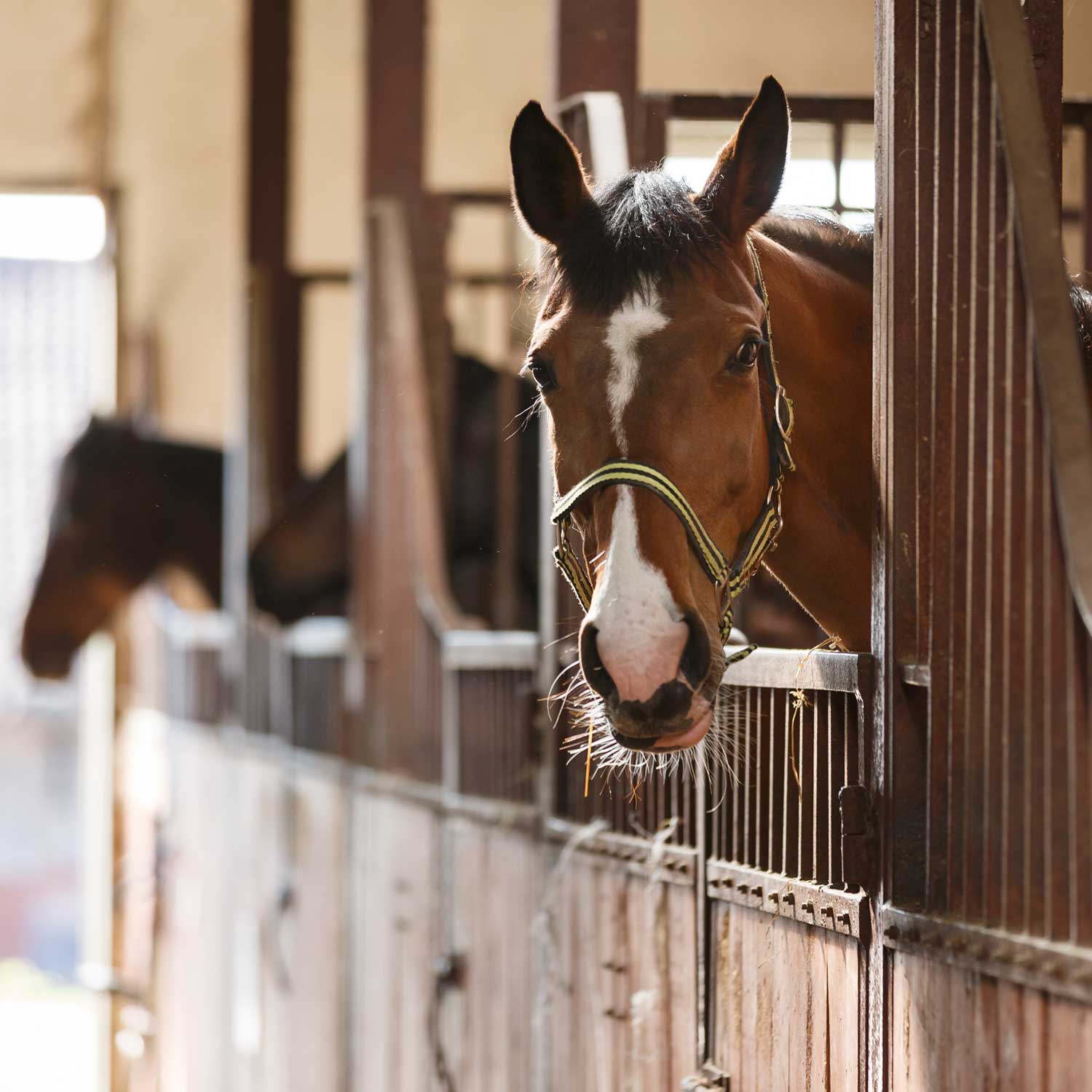
When it comes to keeping your horse healthy and performing at its best, regular deworming plays a crucial role. Equine parasites can silently impact your horse’s digestive health, nutrient absorption, weight, and even overall performance. At Signature Equine Hospital, our veterinarians emphasize the importance of understanding both the types of dewormers available and the specific parasites they target. By maintaining a consistent parasite control program, you can protect your horse from harmful infestations and promote long-term wellness!
Types of Parasites
Understanding the various equine parasites that threaten your horse’s health is key to creating an effective deworming plan. Different parasites affect horses in unique ways, and knowing how they operate can help you and your vet select the most appropriate treatments.
Ascarids
Ascarids are most commonly found in foals and young horses. These large, white roundworms live in the small intestine and can grow up to a foot long. Infestations may cause coughing, poor coat condition, stunted growth, and intestinal blockages. Because ascarids are resistant to some dewormers, a targeted approach using benzimidazoles like fenbendazole is often recommended.
Strongyles
Strongyles, both large and small, are some of the most harmful parasites for horses. Large strongyles can migrate through the horse’s arteries, causing damage that may lead to colic or blood flow issues. Small strongyles (cyathostomes) are even more dangerous when they become encysted in the intestinal wall.
Encysted small strongyles can remain dormant for months before emerging all at once, leading to severe digestive upset and weight loss. Dewormers containing moxidectin or a high-dose fenbendazole regimen are most effective against these stages. Regular fecal testing helps identify strongyle burdens before they cause major problems.
Tapeworms, Bots, Pinworms, and Threadworms
- Tapeworms attach to the intestinal wall and can lead to colic, weight loss, or digestive disturbances. They are best treated with double-dose pyrantel pamoate or a dewormer containing praziquantel.
- Bots are not technically worms but fly larvae that attach to the horse’s stomach lining. They can cause ulcers and discomfort. Ivermectin and moxidectin effectively eliminate bots.
- Pinworms cause tail rubbing and irritation around the hindquarters. Regular cleaning and treatment with pyrantel or oxibendazole can control them.
- Threadworms, though less common, can affect foals through the mare’s milk, leading to diarrhea and poor condition. Treating mares before foaling can help prevent transmission.
Types of Wormers
Modern deworming programs rely on several classes of dewormers, each designed to combat specific parasites. Rotating between these types or using them strategically based on fecal egg counts helps ensure effectiveness and prevents parasite resistance.
Macrocyclic Lactones
Macrocyclic lactones, including ivermectin and moxidectin, are among the most widely used dewormers in horses today. They are highly effective against a broad range of parasites in horses, including bots, large and small strongyles, and pinworms.
- Ivermectin: Often considered the gold standard in deworming, ivermectin kills migrating larvae and adult stages of many internal parasites, including bots.
- Moxidectin: Similar to ivermectin but with a longer duration of action, moxidectin is especially effective against encysted small strongyles, one of the most damaging equine parasites.
Both ivermectin and moxidectin are critical in controlling bots, which can cause stomach irritation, ulcers, and poor digestion.
Benzimidazoles
Benzimidazoles, such as fenbendazole and oxibendazole, work by disrupting the parasite’s energy metabolism, leading to its death. These dewormers are particularly effective against ascarids (roundworms) and some strongyles.
- Fenbendazole: Often used in younger horses, fenbendazole is effective against roundworms and has a safety profile suitable for foals.
- Oxibendazole: Another versatile option, oxibendazole is effective against large strongyles, roundworms, and pinworms.
Benzimidazoles are sometimes used in a multi-day “power pack” to target encysted strongyles, a stubborn and potentially dangerous stage of the parasite lifecycle.
Tetrahydroprimidines
Tetrahydroprimidines, primarily represented by pyrantel pamoate, are another vital tool in parasite control. Pyrantel paralyzes the worms, which are then expelled through the digestive tract.
Pyrantel pamoate is particularly effective against pinworms, roundworms, and large strongyles. When used at double doses, it can also help combat tapeworms, which can cause colic and intestinal blockages. This makes pyrantel an important component of rotational deworming schedules.
Protect Your Horse’s Health with Regular Deworming
Regular deworming is essential to your horse’s health, comfort, and longevity. By understanding the different types of dewormers and parasites in horses, you can work with your veterinarian to develop a strategic and effective parasite control plan that keeps your horse in peak condition.
At Signature Equine Hospital, our experienced equine vets provide customized deworming schedules based on fecal egg counts, age, and environmental factors. Don’t wait for parasites to take a toll on your horse’s health. Contact Signature Equine Hospital today to schedule a wellness exam and learn about our personalized deworming plans.